

For many of us, bonfire season means sparklers and toffee apples. For a huge number of pets it
means weeks of fear. In a 2025 Savanta poll for the RSPCA, 60% of dog owners said their dog
had been negatively affected by fireworks. With Bonfire Night falling on a Thursday this year,
displays are likely to spread across the weekends either side, followed by Diwali celebrations on
Sunday 8 November and then New Years Eve.
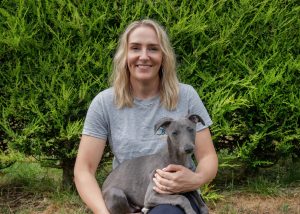
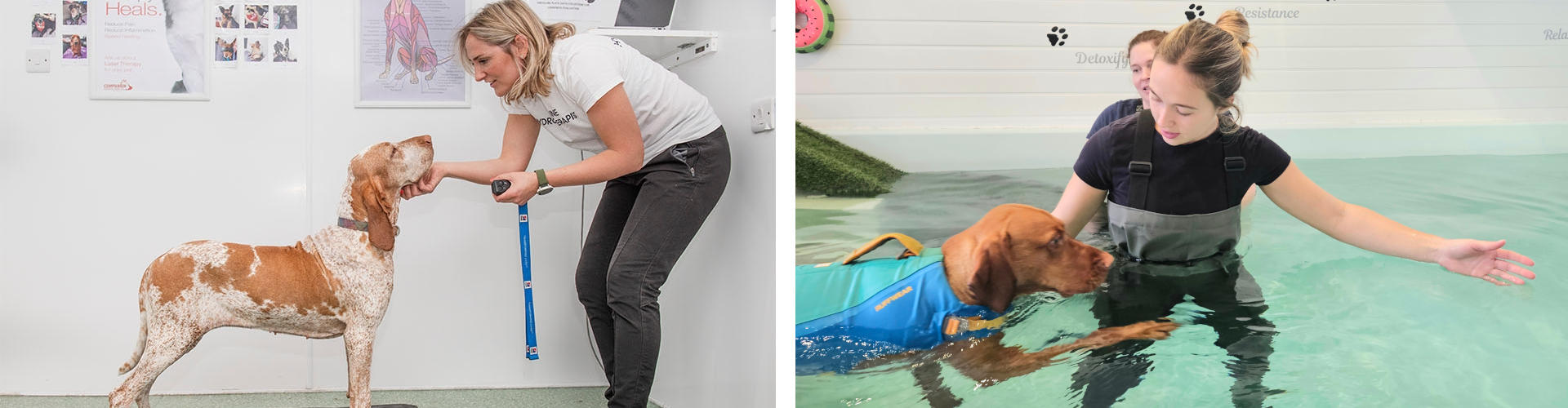
Every autumn we see the knock-on effects of fireworks in clinic says Rebecca Wilkinson,
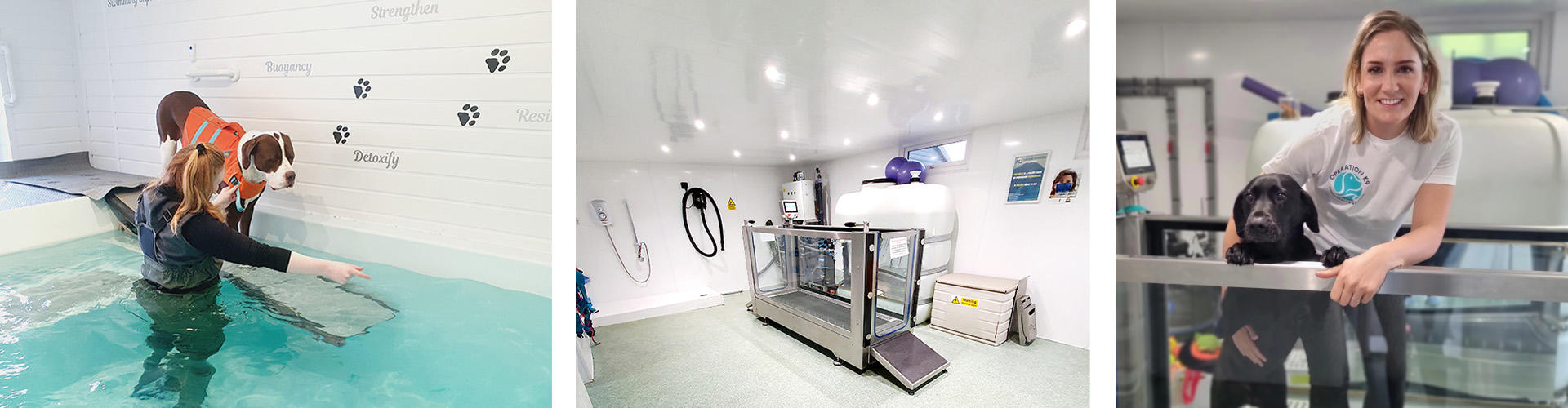
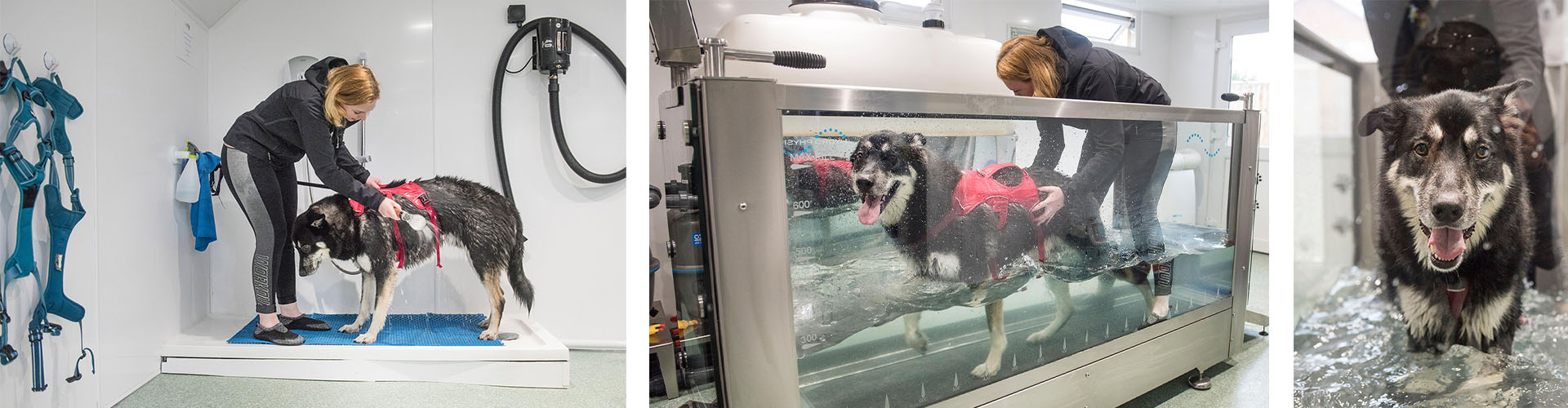
Registered Veterinary Nurse and Clinical Director of Operation K9, who runs canine
hydrotherapy and rehabilitation centres in Sherburn and Beverley.
Fear isn’t just upsetting to watch. A panicking dog can bolt, crash through a fence or injure itself, and for older or arthritic
dogs the whole season can be physically exhausting. The good news is that a bit of planning now
makes a real difference.
Begin sound therapy: Dogs Trust offers its Sounds Scary; sound therapy programme free online:
recordings of firework noises played at a very low volume and paired with treats or play, then
built up gradually. It takes weeks rather than days, so start now and keep going towards New
Year.
Speak to your vet early: If your dog has struggled before, book a consultation in good time rather than
in the first week of November. Vets can prescribe anti-anxiety medication that often needs to be
trialled before the big night, and can check for underlying health problems.
Build a den: A covered crate or a quiet corner with familiar bedding, introduced in advance,
gives your dog somewhere safe to retreat. The door should always stay open so they can come
and go.
Check microchip details: Microchipping is a legal requirement for dogs, and in England for
owned cats over 20 weeks old since 10 June 2024. A chip only helps if your phone number and
address are up to date.
Talk to your neighbours and check local listings so you know when displays are planned.
On the night: Walk your dog earlier, in daylight and on a lead, even in a familiar field. Close curtains, draw the
blinds and switch the TV or music on to soften the bangs.
Research from the University of Glasgow and the Scottish SPCA found kennelled dogs showed signs of lower stress with soft rock
and reggae, while a Hartpury study found audiobooks encouraged shelter dogs to rest. Dogs
Trust has also released a free Sound Blanket playlist designed to mask firework noise.
Lick mats, snuffle mats and long-lasting chews can help dogs settle, as licking and sniffing are
naturally calming. Pheromone diffusers such as Adaptil, or Feliway for cats, and pressure wraps
such as the Thundershirt help some animals, but the scientific evidence for both is mixed, so
treat them as extras rather than the main plan. Above all, don;t leave your pet home alone, and
try to stay calm and relaxed yourself.
Please don’t ignore your dog if they come to you for comfort, says Rebecca.
There’s an old myth that reassuring a frightened dog rewards the fear, but fear is an emotion, not a trick. A
calm voice, a gentle hand or a favourite treat won’t make it worse, and it can help.
Know the signs
Signs of fear include trembling, panting, pacing, yawning, lip-licking, a tucked tail, flattened ears,
hiding, drooling, barking or whining, trying to escape, refusing food and toileting indoors.
Older and arthritic dogs need extra care
From a rehabilitation point of view, fireworks carry physical risks too. Sudden scrambling on
wooden or laminate floors can strain joints and aggravate arthritis or old injuries, and prolonged
panting can lead to overheating.
Pain and noise fear are also linked. A 2018 University of Lincoln study published in Frontiers in Veterinary Science found that dogs whose noise sensitivity was linked to musculoskeletal pain developed the problem, on average, nearly four years later in life
than dogs without pain, and improved once their pain was treated.
If an older dog suddenly becomes frightened of noises it never minded before, pain could be
part of the picture, Rebecca explains. Keep up their gentle exercise and hydrotherapy routine
through November, put rugs or runners down on slippery floors, and check for stiffness or
limping once the fireworks have passed. If you notice anything, contact your vet or a
rehabilitation professional sooner rather than later.
Bring cats in before dark, provide an indoor litter tray and lock the cat flap. Cats feel safest up
high or tucked away, so leave cupboard tops, wardrobes or a box under the bed accessible.
Never pull a hiding cat out; let them come out when they are ready.
Rabbits, guinea pigs and other small pets in outdoor hutches should be brought indoors or have
their hutches well covered, leaving room for ventilation, with plenty of extra bedding to burrow
into.
With a little planning, this fireworks season can be calmer for every member of the family.